Stainless Steel vs. Aluminum Chimney Liners
The liner is the part of your chimney you can't see and the part that matters most, so the material you choose should match what you burn.
October 20, 2026 · 4 min read
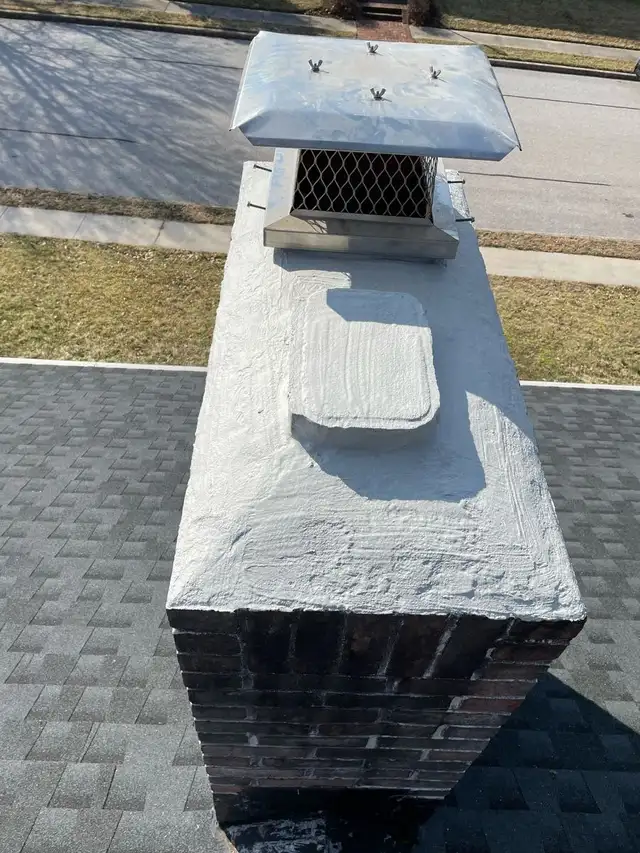
When people picture a chimney, they picture bricks. The brick is the shell. The part doing the real safety work is the flue liner, a conduit that runs the full height of the chimney and carries smoke, heat, and combustion gases out of the house. If the liner is intact and suited to your appliance, the chimney does its job. If it's cracked, gapped, or the wrong material, the brick around it can't make up for the difference. This guide covers what a liner does, how it fails, and how stainless steel and aluminum compare.
What does a chimney liner actually do?
A liner has three jobs. First, it contains the byproducts of combustion so they travel up and out instead of leaking into the walls, attic, or living space. Second, it protects the masonry and any nearby combustible framing from the heat and corrosive acids in those gases. Third, it gives the exhaust a correctly sized path. A flue that's too large for the appliance connected to it lets smoke cool and slow down, which encourages condensation and buildup. A properly sized liner keeps the draft working the way it should.
Many older homes in the region were built with clay tile liners, and plenty of those tiles are still doing their job. Others are not. Clay tile is rigid and brittle, so it can crack under the stress of heat cycles, and the mortar joints between tiles can wear away over the years. Some chimneys have no liner at all, especially the oldest ones.
How do you know a liner is damaged?
Often you don't, not from the living room anyway. A cracked liner can look perfectly normal from the firebox. The signs that sometimes appear include pieces of tile or flakes of liner material in the firebox or on the smoke shelf, a weak or erratic draft, staining or deterioration on the outside of the chimney, and heavy deposits that keep coming back faster than they should.
The reliable way to find out is a Level II inspection with a video scan of the flue. A camera lets the inspector see cracks, gaps in the joints, and missing sections directly. This matters because a damaged liner lets heat and gases reach places they were never meant to go. That's a safety issue first and a repair issue second, and it's the reason liner problems should be taken seriously the moment they're found.
Stainless steel liners: the versatile option
Stainless steel is the workhorse of relining. According to the Chimney Safety Institute of America, stainless steel is suitable for wood burning, gas, or oil applications. That range is the main reason it's so widely used. If you burn wood in a fireplace or stove, you need a material that can handle high temperatures and the aggressive deposits that wood smoke leaves behind, and stainless steel is built for that environment.
Stainless liners come in rigid and flexible forms, and they can be wrapped with insulation. Insulating a liner helps keep the exhaust warm on its way up, which supports draft and reduces the condensation that attacks flue surfaces, a real consideration when winter nights in Pennsylvania drop well below freezing. A liner can also be sized to your appliance, which is especially useful if you're connecting a new wood stove or insert to an older, oversized flue.
Aluminum liners: a narrower fit
Aluminum liners have a place, but a smaller one. CSIA describes them as an inexpensive alternative for some medium efficiency gas applications only. Those four words at the end carry the weight. Aluminum is not the right material for wood, and it is not the right material for oil. It can't handle the temperatures and chemistry those fuels produce, which is why a gas-only limit applies.
Even within gas, the word "some" matters. Appliance efficiency and venting requirements vary, so the question isn't only the fuel. It's which gas appliance is connected, what its manufacturer requires, and what the flue condition is. A professional should confirm that match instead of assuming it. When a homeowner asks whether aluminum will work, the honest answer starts with, "It depends on exactly what you're venting."
Matching the liner to the appliance
The simplest way to think about it: the appliance and fuel dictate the liner, not the other way around. Wood, oil, and the broadest range of gas appliances point to stainless steel. A limited set of medium efficiency gas applications may allow aluminum. If you're replacing a furnace, adding a stove, or switching fuels, the liner may need to change too, and a Level II inspection before any change is how you learn that before the new equipment goes in.
Chimney Sweep Systems, Inc. installs both stainless steel and aluminum liners for homeowners in Cumberland, Adams, Perry, Franklin, and Dauphin Counties. If you suspect a liner problem or you're planning a new appliance, call the Carlisle office at 717-601-2595 and ask for an inspection first.
Chimney Sweep Systems, Inc., 717-601-2595
Call 717-601-2595More articles
When Should You Have Your Chimney Swept?
Annual sweeping is the baseline, and a handful of warning signs mean you shouldn't wait for the calendar.
Chimney Inspection Levels Explained: Level I, II, and III
Three inspection levels exist for good reason, and knowing which one you need can keep you from paying for too little or too much.