When Should You Have Your Chimney Swept?
Annual sweeping is the baseline, and a handful of warning signs mean you shouldn't wait for the calendar.
October 20, 2026 · 4 min read
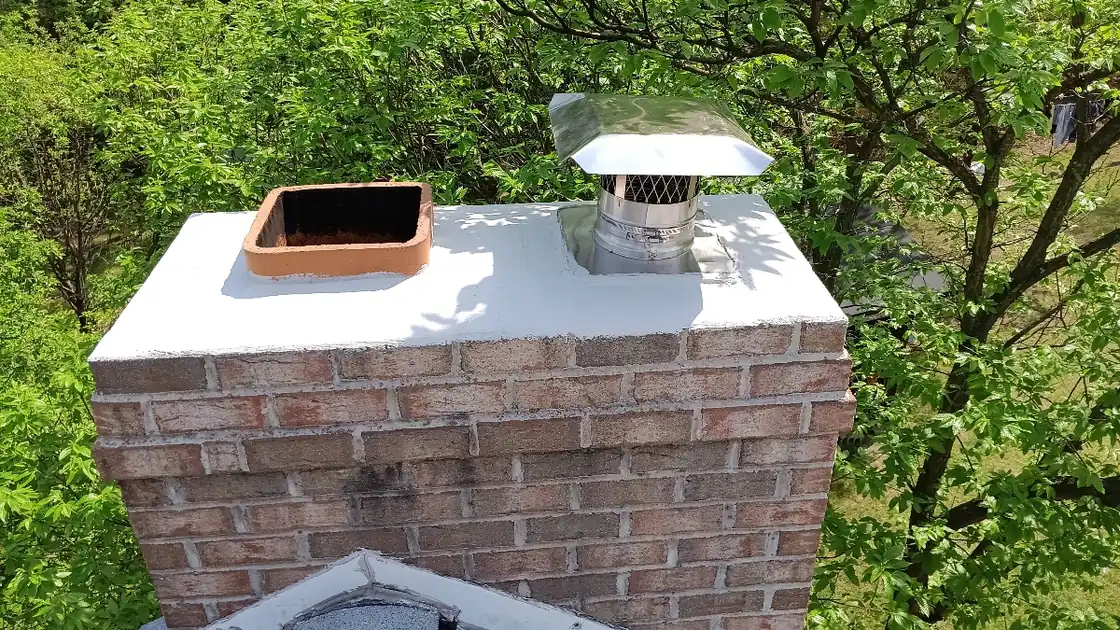
Most people think about their chimney twice a year at best: the first cold night of the season, and the moment something goes wrong. In between, it sits above the roof doing quiet work, carrying smoke, heat, and combustion gases out of your house. Soot and creosote build up in that passage noticed or not, and the gap between a clean flue and a hazardous one is shorter than most homeowners expect. Here's a practical guide to when a chimney in South Central Pennsylvania should be swept, and the signs that mean you shouldn't wait for the calendar.
How often should a chimney be swept?
The trade's standard advice is simple: have every chimney that serves a furnace, fireplace, gas appliance, or wood stove swept at least once a year. That isn't a sales line. A flue is a working part of your heating system, and like any working part it collects residue the longer it runs. A wood-burning fireplace used most weekends from November through March builds up deposits faster than one lit a handful of times, but even a lightly used chimney can hold nests, leaves, and debris that never came from a fire at all.
The best timing is before the heating season starts, late summer or early fall. A fall sweep and inspection means any problem gets dealt with while repair schedules are open and before you're relying on the system every day. Waiting until the first freeze often means finding the problem on a cold night, when your options are living without the fireplace or crossing your fingers.
What is creosote, and why do sweeps care so much about it?
When wood burns, not everything leaves as clean exhaust. Smoke carries unburned vapors up the flue, and when those vapors reach the cooler walls of the chimney they condense and stick. That residue is creosote. It can start as a light, dusty soot, but it can harden into thick, tarry layers and even a shiny glaze that's difficult to remove. Creosote is flammable, which is the main reason annual sweeping exists in the first place.
Several habits make it worse: burning unseasoned wood, closing the damper down to make a fire last longer, and letting a fire smolder instead of burn hot. A stove or insert with a narrow flue cools smoke quickly and can collect deposits fast. None of that means you should stop using your fireplace. It means the time between sweeps should match how you actually burn, and a sweep can show you what your flue is holding instead of leaving you to guess.
Warning signs that shouldn't wait for fall
Calendar rules are a floor, not a ceiling. If any of the following shows up, schedule a visit now, whatever month it is:
- Smoke drifting back into the room instead of rising up the flue
- A sharp, smoky, or tar-like odor, especially on humid days or when the fireplace isn't in use
- A fire that's hard to start or burns sluggishly, which points to a poor draft
- Dark, flaky, or shiny black deposits on the firebox walls or the damper
- Bits of twigs, leaves, or nest material in the firebox
- Scratching, chirping, or thumping sounds coming from the chimney
A poor draft deserves special mention. If a fire that used to catch easily now struggles, something is restricting airflow. It might be buildup in the flue, a blockage from a nest or debris, or a damaged liner. You can't tell from the living room which one it is, and guessing wrong has real consequences.
After a storm, or after a long quiet spell
Heavy wind, ice, and the freeze-thaw swings Pennsylvania delivers each winter can shift a chimney cap, loosen crown material, or knock debris into the flue. After significant weather, a quick inspection catches damage while it's small. Water that finds a crack in the crown or a failing mortar joint doesn't announce itself. It works into the masonry quietly until a ceiling stain or a crumbling joint finally gets your attention.
Long-unused fireplaces are the other case. If a fireplace has sat idle for a few years because you've just moved in, the previous owners never lit it, or you switched to another heat source, don't light it on the assumption that it's fine. Animals nest in unused flues. Leaves and debris pile up on the smoke shelf. Old deposits may have hardened. Sweep and inspect first, then burn.
Buying or selling a home with a fireplace
A chimney is easy to overlook during a home sale, which is exactly why it causes trouble. A general home inspector may glance at the firebox and note that it looks fine, but can't usually tell you what's happening inside the flue. That's where a chimney inspection comes in. When a property changes hands, the trade standard is a Level II inspection, which examines the whole accessible system, including the interior of the flue. Buyers get a clear picture before closing, and sellers can handle repairs on their own timeline instead of in the middle of a negotiation.
Chimney Sweep Systems, Inc. serves homeowners across Cumberland, Adams, Perry, Franklin, and Dauphin Counties from its office at 1526 Newville Rd in Carlisle. Its certified sweeps clean without making a mess, and the crew can tell you what your flue needs and what it doesn't. To book a sweep before heating season, call 717-601-2595.
Chimney Sweep Systems, Inc., 717-601-2595
Call 717-601-2595More articles
Chimney Inspection Levels Explained: Level I, II, and III
Three inspection levels exist for good reason, and knowing which one you need can keep you from paying for too little or too much.
Stainless Steel vs. Aluminum Chimney Liners
The liner is the part of your chimney you can't see and the part that matters most, so the material you choose should match what you burn.